Table of Contents
ToggleBig Data in Healthcare Market Size
The global Big Data in Healthcare Market was valued at USD 23.3 Billion in 2022 and is expected to expand to USD 104.5 Billion by 2032, growing at a CAGR of 16.5% over the forecast period.
What Is the Big Data in Healthcare Market?
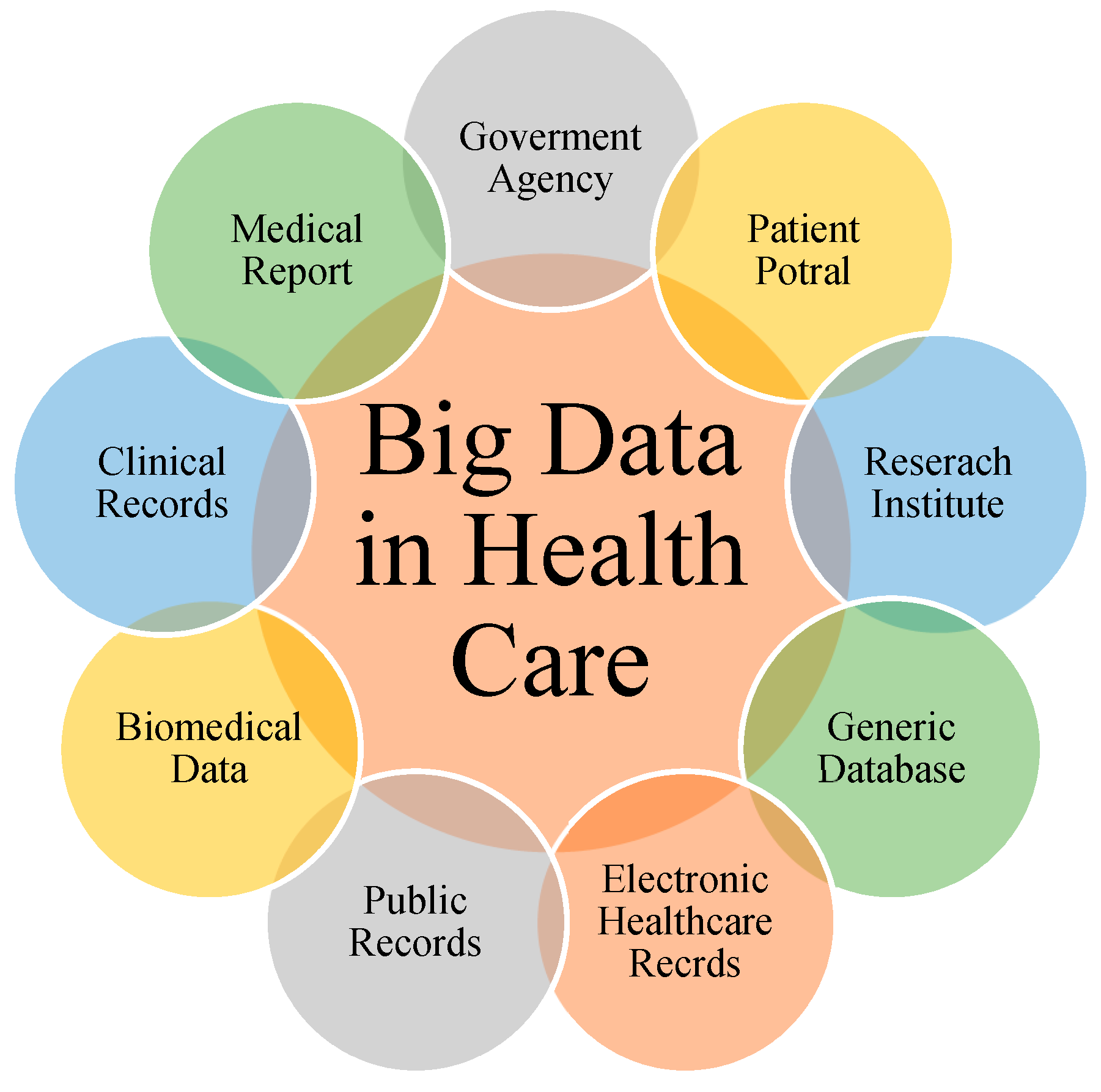
The Big Data in Healthcare Market refers to the technologies, platforms, and services designed to collect, store, manage, and analyze extremely large and complex healthcare datasets. These datasets include electronic health records (EHRs), genomic data, medical imaging, claims data, clinical research data, and information generated through wearable and remote monitoring devices.
Scope of the Market
Big data solutions in healthcare typically include:
Data storage and management systems
Advanced analytics and visualization platforms
Artificial intelligence (AI) and machine learning tools
Predictive analytics and population health management solutions
Cloud-based infrastructure and services
These technologies help healthcare providers, payers, and researchers convert raw data into actionable insights.
Significance of Big Data in Healthcare
Big data technologies enable:
More informed clinical decision-making
Predictive risk analysis and early disease detection
Personalized treatment strategies
Cost optimization and operational efficiency
Accelerated medical research and innovation
As healthcare systems continue to digitize, the role of big data becomes increasingly central.
Market Trends
Several major trends are influencing the evolution of the Big Data in Healthcare Market.
Market Growth
The market has demonstrated strong expansion. It was valued at USD 23.3 billion in 2022 and is projected to reach USD 104.5 billion by 2032, growing at a CAGR of 16.5% during the forecast period. This growth reflects the rising reliance on analytics-driven healthcare solutions.
Increasing Adoption of Electronic Health Records
The widespread implementation of EHR systems has significantly increased the availability of digital healthcare data. This shift is driving demand for scalable analytics platforms capable of processing both structured and unstructured data.
Rise of Cloud-Based Big Data Solutions
Cloud computing has become a key enabler of big data adoption in healthcare. Cloud-based solutions offer scalability, flexibility, and cost efficiency while supporting real-time analytics and remote accessibility.
Growth of Advanced Analytics Technologies
Healthcare organizations are increasingly deploying AI, machine learning, and predictive analytics tools. These technologies enhance clinical insights, optimize workflows, and support population health management initiatives.
Expansion of Clinical Data Analytics
Clinical data analytics represents a major application area. Healthcare providers are leveraging analytics to improve diagnosis accuracy, treatment planning, and patient outcome predictions.
Market Dynamics
The Big Data in Healthcare Market is shaped by a combination of drivers, restraints, opportunities, and challenges.
Drivers
Key growth drivers include:
Rapid digitalization of healthcare systems
Increasing demand for personalized and preventive care
Rising healthcare expenditure
Advancements in AI and machine learning technologies
These factors are accelerating the integration of big data solutions across healthcare ecosystems.
Restraints
Despite strong growth, certain limitations persist:
Data security and patient privacy concerns
Interoperability issues among healthcare IT systems
These challenges can slow adoption and require ongoing technological and regulatory solutions.
Opportunities
Significant opportunities are emerging:
Expansion of telehealth and remote patient monitoring
Development of innovative analytics platforms
Increasing investment in digital health technologies
These trends create new avenues for market expansion.
Challenges
The market also faces structural complexities:
Lack of standardization in healthcare data formats
Difficulties in integrating diverse data sources
Complexity of regulatory compliance
Addressing these challenges is crucial for long-term scalability.
Regional Analysis
Market performance varies across regions, reflecting differences in healthcare infrastructure, technology adoption, and regulatory frameworks.
North America
North America leads the global market, accounting for over 34% of market share. This dominance is supported by advanced healthcare IT infrastructure, early adoption of digital technologies, strong R&D investment, and the presence of major industry players.
Asia-Pacific
Asia-Pacific is expected to witness the fastest growth rate. Factors contributing to this expansion include rapid healthcare digitization, government initiatives supporting digital health, growing healthcare expenditures, and increasing adoption of advanced analytics solutions.
Europe, Latin America, and Middle East & Africa
These regions are experiencing steady growth driven by healthcare modernization efforts, increasing IT investments, and growing awareness of data-driven healthcare strategies.
Recent Developments
The market continues to evolve through advancements in technology and expanding use cases. Notable developments include:
Increased adoption of cloud computing and analytics platforms
Growing integration of predictive analytics and AI tools
Enhanced focus on data interoperability and cybersecurity
Rising demand for remote monitoring and telehealth analytics
These developments reflect the healthcare industry’s shift toward more connected, data-centric models.
Key Players in the Market
Several major companies play a significant role in shaping the Big Data in Healthcare Market, including:
Innovaccer Inc.
Allscripts Healthcare Solutions Inc.
Epic Systems Corporation
SAS Institute Inc.
Dell EMC
Optum Inc.
Health Fidelity Inc.
GE Healthcare
EXLService Holdings Inc.
IBM Corporation
Oracle (Cerner Corporation)
Apixio
These organizations contribute through analytics platforms, cloud solutions, AI technologies, and data management services.
Conclusion
The Big Data in Healthcare Market is experiencing substantial growth, driven by digital transformation, expanding healthcare datasets, and increasing reliance on advanced analytics. Big data technologies are reshaping how healthcare organizations deliver care, manage operations, and conduct research.
As adoption continues to accelerate across cloud platforms, AI-driven analytics, and predictive tools, big data is expected to remain a foundational pillar of next-generation healthcare systems.
To Get Detailed Overview, Contact Us: https://www.acumenresearchandconsulting.com/contact-us