Plant-Based Beverages Market Size
The global plant-based beverages market was valued at USD 37.83 billion in 2025 and is projected to reach USD 85.19 billion by 2033, growing at a CAGR of 10.7% during the forecast period.
What is the Plant-Based Beverages Market?
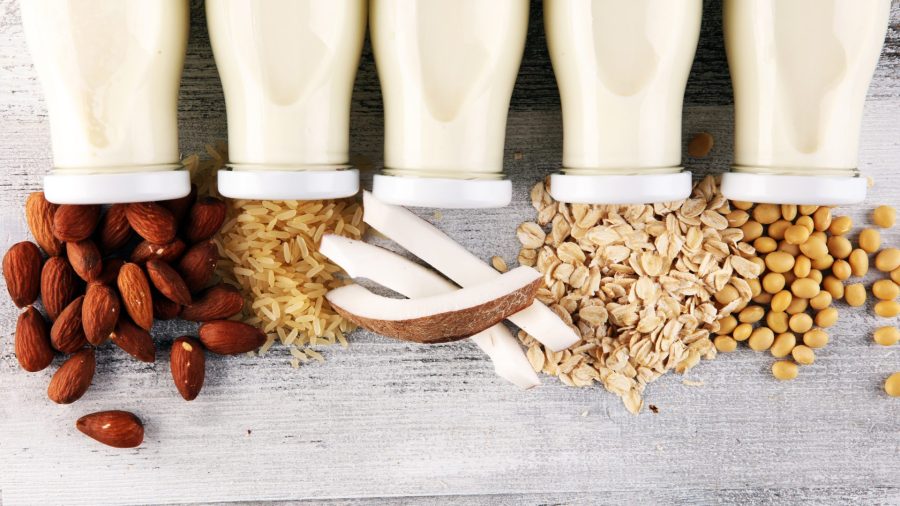
The plant-based beverages market encompasses the production, distribution, and commercialization of beverages derived from plant-based sources such as soy, almonds, oats, coconut, rice, hemp, and other botanical ingredients. These beverages are widely consumed as alternatives to traditional dairy products and are increasingly used in functional nutrition, health-focused diets, and sustainable food consumption patterns.
Plant-based beverages include plant-based milk, tea and coffee alternatives, juices, flavored drinks, and other non-dairy beverages designed to meet the evolving preferences of vegan, vegetarian, lactose-intolerant, and health-conscious consumers. The market has expanded significantly due to rising awareness of nutrition, sustainability concerns, and changing dietary habits worldwide.
Plant-Based Beverages Market Trends
Rising Popularity of Oat-Based and Almond-Based Beverages
Consumer demand is increasingly shifting toward oat milk and almond milk due to their favorable taste profiles, nutritional benefits, and versatility in foodservice applications. Oat-based beverages have gained strong traction in cafés and retail channels, particularly among younger consumers seeking dairy-free alternatives.
Expansion of Functional and Fortified Beverages
Manufacturers are increasingly introducing plant-based beverages enriched with protein, vitamins, minerals, probiotics, and other functional ingredients. Consumers are seeking beverages that deliver both nutritional value and specific wellness benefits, such as digestive health, immunity support, and energy enhancement. Functional beverage innovation is becoming a key competitive differentiator across the industry.
Technological Advancements in Ingredient Processing
Advancements in food processing technologies are improving the taste, texture, mouthfeel, and nutritional quality of plant-based beverages. Improved extraction techniques, protein stabilization methods, and flavor optimization technologies are helping manufacturers overcome traditional challenges associated with plant-derived ingredients.
These innovations are enhancing consumer acceptance and expanding the application scope of plant-based beverages across retail and foodservice sectors.
Growth of Sustainable and Clean-Label Products
Sustainability has become a major purchasing criterion for modern consumers. Brands are increasingly emphasizing clean-label formulations, natural ingredients, environmentally responsible sourcing, and sustainable packaging solutions. This trend aligns with broader consumer demand for transparency and eco-conscious consumption.
Increasing Product Diversification
The market is witnessing rapid diversification beyond traditional soy milk. Companies are launching beverages based on oats, hemp, coconut, rice, peas, and mixed plant-protein formulations. Flavored variants are also gaining popularity as consumers seek more variety and improved sensory experiences.
Plant-Based Beverages Market Dynamics
Market Drivers
Growing Lactose Intolerance and Dairy-Free Consumption
One of the primary growth drivers for the plant-based beverages market is the increasing prevalence of lactose intolerance globally. Consumers seeking dairy-free alternatives are fueling demand for plant-based milk and related beverage products. Asia-Pacific, in particular, benefits from a large lactose-intolerant population that actively consumes non-dairy beverages.
Rising Vegan and Flexitarian Populations
The global shift toward vegan, vegetarian, and flexitarian lifestyles is significantly contributing to market growth. Consumers are increasingly reducing animal-based food consumption for health, ethical, and environmental reasons, creating strong demand for plant-based beverage alternatives.
Health and Wellness Awareness
Consumers are becoming more health-conscious and are actively seeking products perceived as healthier alternatives to conventional dairy beverages. Plant-based beverages are often associated with lower cholesterol levels, improved digestive health, and cleaner nutritional profiles.
Expansion of Retail and E-Commerce Channels
The increasing availability of plant-based beverages through supermarkets, hypermarkets, specialty stores, and online retail platforms is improving product accessibility and market penetration. E-commerce platforms are playing a particularly important role in reaching consumers in emerging markets.
Market Restraints
Higher Product Costs
Plant-based beverages often carry premium pricing compared to conventional dairy products. The cost of specialized ingredients, advanced processing technologies, and product fortification can limit affordability in price-sensitive markets.
Taste and Texture Challenges
Despite technological improvements, some consumers still perceive plant-based beverages as inferior to dairy products in terms of taste and mouthfeel. Manufacturers continue to invest in product development to address these concerns.
Market Opportunities
Functional Beverage Innovation
The growing popularity of personalized nutrition and functional foods presents significant opportunities for plant-based beverage manufacturers. Products incorporating protein, probiotics, adaptogens, and other health-promoting ingredients are expected to experience strong demand.
Emerging Market Expansion
Rapid urbanization, rising disposable incomes, and growing health awareness across Asia-Pacific, Latin America, and the Middle East are creating new growth opportunities for market participants.
Foodservice Integration
The increasing adoption of plant-based milk alternatives by cafés, restaurants, and quick-service chains is expanding consumption occasions and strengthening market visibility.
Market Challenges
- Supply chain volatility for plant-derived raw materials
- Regulatory complexities surrounding labeling and nutritional claims
- Increasing competition from established dairy producers entering the plant-based category
- Maintaining product quality while scaling production
Regional Analysis
Asia-Pacific
Asia-Pacific currently dominates the global plant-based beverages market, accounting for more than 42% of total sales. Traditional consumption of soy- and rice-based beverages, coupled with high levels of lactose intolerance, supports strong regional demand. Countries such as China and India are major contributors to market growth due to urbanization, rising incomes, and increasing health consciousness.
North America
North America represents a significant market driven by growing vegan populations, increasing health awareness, and strong demand for almond- and oat-based beverages. The presence of leading manufacturers and favorable consumer acceptance continues to support regional expansion.
Europe
Europe remains an important market due to sustainability-focused consumer behavior, strong environmental awareness, and growing adoption of plant-based diets. Regulatory support for alternative food products further encourages market development.
Latin America
Latin America is witnessing gradual growth driven by expanding retail infrastructure, increasing awareness of plant-based nutrition, and growing demand for functional beverages.
Middle East & Africa
The region presents emerging opportunities as consumers increasingly adopt healthier dietary habits and governments invest in food security and sustainable food production initiatives.
Recent Developments
New Product Launches and Flavor Innovation
Manufacturers continue to introduce new flavored plant-based beverages to meet evolving consumer preferences. Flavor diversification remains a key strategy for attracting new consumers and increasing market share.
Expansion into Functional Protein Beverages
Several companies are expanding beyond traditional dairy alternatives into protein-enriched and functional beverage categories. This reflects growing consumer interest in wellness-focused beverages that provide multiple nutritional benefits.
Strategic Partnerships and Distribution Expansion
Companies are strengthening distribution networks through partnerships and collaborations to improve market reach and accessibility. Recent beverage industry partnerships demonstrate the growing importance of strategic alliances in expanding consumer access to innovative beverage products.
Increased Investment in Sustainable Production
Manufacturers are investing in sustainable sourcing, eco-friendly packaging, and carbon footprint reduction initiatives to align with consumer expectations and corporate sustainability goals.
Future Outlook
The plant-based beverages market is expected to maintain robust growth over the coming years, supported by rising health awareness, increasing adoption of vegan and flexitarian diets, technological advancements in beverage formulation, and growing demand for sustainable food products. Continued innovation in functional ingredients, flavor development, and personalized nutrition solutions will likely reshape the competitive landscape and create new opportunities for industry participants worldwide.
To Get Detailed Overview, Contact Us: https://www.acumenresearchandconsulting.com/contact-us