Table of Contents
ToggleWhat is the Intracranial Stenosis Stents Market?
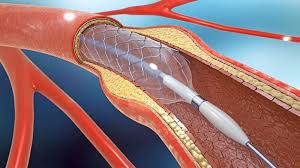
The Intracranial Stenosis Stents Market refers to the global industry involved in the development, manufacturing, and commercialization of stents designed to treat intracranial stenosis, a condition characterized by the narrowing of arteries within the brain. These stents are small mesh-like medical devices that are implanted in blood vessels to keep narrowed arteries open and restore normal blood flow to the brain. This treatment plays a vital role in preventing ischemic strokes and other neurological complications caused by restricted cerebral circulation.
Intracranial stenosis occurs when fatty deposits or atherosclerotic plaques accumulate in the arteries supplying blood to the brain. The condition is considered one of the significant causes of ischemic stroke worldwide. As a result, the demand for effective treatment solutions has increased significantly in recent years.
The Intracranial Stenosis Stents Market has become an important segment of the neurovascular medical device industry as healthcare providers increasingly adopt minimally invasive procedures. Stent implantation procedures offer advantages such as reduced surgical trauma, faster recovery time, shorter hospital stays, and improved clinical outcomes compared with traditional surgical approaches.
With the growing prevalence of stroke, an aging global population, and improvements in diagnostic imaging technologies, the Intracranial Stenosis Stents Market continues to gain attention from healthcare providers, researchers, and medical device manufacturers worldwide.
Intracranial Stenosis Stents Market Trends
Several emerging trends are shaping the growth of the Intracranial Stenosis Stents Market, transforming the treatment landscape for neurovascular disorders.
Technological Advancements in Stent Design
Medical device companies are introducing advanced stent technologies such as self-expanding stents, drug-eluting stents, and improved delivery systems. These innovations are designed to enhance vessel support, reduce the risk of restenosis, and improve long-term treatment outcomes.
Self-expanding stents have gained particular popularity due to their flexibility and ability to adapt to the complex anatomy of cerebral arteries. These devices provide better vessel support while minimizing procedural complications.
Growing Preference for Minimally Invasive Procedures
Healthcare providers and patients are increasingly favoring minimally invasive neurovascular procedures. Intracranial stenting procedures offer shorter recovery times, reduced postoperative complications, and lower hospitalization costs compared with conventional surgical treatments.
As a result, hospitals and specialized neurological centers are adopting advanced stent technologies to treat intracranial artery narrowing.
Increasing Research and Development Activities
Manufacturers are investing heavily in research and development to introduce next-generation intracranial stents with improved materials, coatings, and structural designs. These innovations aim to increase procedural success rates and expand the patient population eligible for stenting procedures.
Integration of Advanced Imaging and AI
Advanced imaging technologies and artificial intelligence are being increasingly integrated into neurovascular procedures. These technologies help physicians accurately diagnose intracranial stenosis and precisely place stents during minimally invasive interventions.
Expansion of Specialized Stroke Centers
Many countries are expanding specialized stroke centers and neurovascular treatment facilities. This development is improving access to advanced treatment options and contributing to the growth of the Intracranial Stenosis Stents Market.
Get a Free Sample: https://www.acumenresearchandconsulting.com/request-sample/3354
Intracranial Stenosis Stents Market Dynamics
The growth of the Intracranial Stenosis Stents Market is influenced by several key factors, including market drivers, restraints, opportunities, and challenges.
Market Drivers
Rising Prevalence of Stroke and Neurological Disorders
The increasing incidence of stroke worldwide is a major factor driving the demand for intracranial stenosis stents. Intracranial arterial narrowing is one of the key causes of ischemic stroke, making stent-based interventions essential in preventing severe neurological complications.
Growing Aging Population
Older adults are more susceptible to vascular diseases, including intracranial stenosis. As the global geriatric population continues to expand, the need for neurovascular treatment solutions is expected to rise significantly.
Advancements in Medical Technology
Continuous innovation in medical device technology, including improved stent materials and advanced delivery systems, is supporting the expansion of the Intracranial Stenosis Stents Market.
Market Restraints
High Cost of Treatment
Intracranial stenting procedures can be expensive due to the cost of specialized devices, advanced imaging technologies, and skilled healthcare professionals. These costs may limit the widespread adoption of the procedure in certain regions.
Market Opportunities
Expansion of Healthcare Infrastructure in Emerging Markets
Developing economies are investing heavily in healthcare infrastructure and advanced medical technologies. This expansion is creating significant growth opportunities for manufacturers operating in the Intracranial Stenosis Stents Market.
Improved Diagnostic Capabilities
Advancements in diagnostic imaging technologies are enabling earlier detection of intracranial artery narrowing, which increases the demand for effective treatment options such as stent implantation.
Market Challenges
Stringent Regulatory Requirements
Medical devices used in neurovascular procedures must meet strict regulatory standards and undergo extensive clinical trials before approval. These requirements can increase product development timelines and costs for manufacturers.
Regional Analysis
The Intracranial Stenosis Stents Market shows different growth patterns across regions due to variations in healthcare infrastructure, disease prevalence, and technological adoption.
North America
North America holds a significant share of the market due to its advanced healthcare infrastructure, strong presence of leading medical device companies, and high awareness of stroke prevention and treatment. The region also benefits from strong research and development activities in neurovascular technologies.
Europe
Europe represents another important market for intracranial stenosis stents. Government-supported healthcare systems, an increasing aging population, and the growing adoption of minimally invasive surgical techniques are supporting regional market growth.
Asia-Pacific
The Asia-Pacific region is expected to experience the fastest growth in the Intracranial Stenosis Stents Market. Large patient populations, rising healthcare investments, and increasing awareness of neurological diseases in countries such as China and India are driving demand for advanced neurovascular treatment solutions.
Latin America
Latin America is gradually adopting intracranial stenting technologies as healthcare systems improve and private healthcare investments increase in the region.
Middle East and Africa
The Middle East and Africa market is still developing but is expected to grow steadily due to increasing healthcare awareness and the expansion of specialized medical facilities.
Recent Developments in the Intracranial Stenosis Stents Market
The Intracranial Stenosis Stents Market has witnessed several important developments as companies continue to expand their product offerings and technological capabilities.
Introduction of Advanced Stent Technologies
Manufacturers are launching innovative stent products designed with enhanced flexibility, improved structural strength, and advanced coatings to improve patient outcomes and reduce complications.
Strategic Collaborations and Partnerships
Medical device companies are increasingly partnering with hospitals, research institutions, and healthcare organizations to accelerate product development and expand clinical research initiatives.
Increased Research Investments
Companies are significantly increasing their research and development investments to develop next-generation neurovascular devices that provide improved safety and effectiveness.
Expansion into Emerging Markets
Many global manufacturers are expanding their presence in emerging markets to take advantage of growing healthcare investments and rising demand for advanced neurovascular treatment technologies.
Conclusion
The Intracranial Stenosis Stents Market is experiencing steady growth due to the rising prevalence of stroke, advancements in neurovascular technologies, and increasing adoption of minimally invasive medical procedures. Improvements in stent design, expanding healthcare infrastructure, and growing awareness of neurological disorders are expected to further accelerate market growth.
As the demand for effective stroke prevention and treatment solutions continues to rise globally, the Intracranial Stenosis Stents Market is expected to present significant opportunities for medical device manufacturers, healthcare providers, and investors in the coming years.
To Get Detailed Overview, Contact Us: https://www.acumenresearchandconsulting.com/contact-us